

High blood pressure, also known as hypertension, is one of the most common—and most insidious—conditions facing adults today. Because it often shows no symptoms, many patients don’t realize their blood pressure is elevated until complications arise. As a medical professional specializing in health and life-wellbeing, I’ve seen how early awareness and consistent management can change outcomes dramatically.
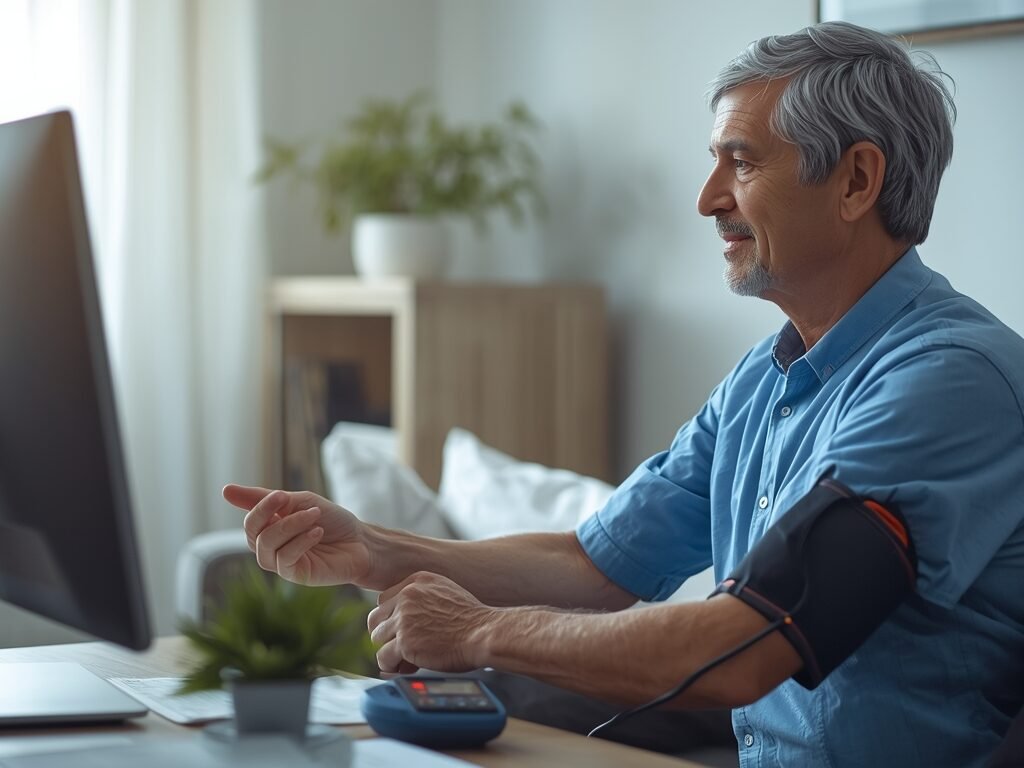
In this article, we’ll explore what high blood pressure really is, why it matters, how to measure it correctly, and what strategies—both lifestyle and medical—help maintain healthy levels.
What Is High Blood Pressure?
Blood pressure is the force exerted by circulating blood against artery walls. It’s measured as two numbers:
- Systolic (top): pressure during heartbeats
- Diastolic (bottom): pressure when the heart rests
When readings stay high over time, we call it hypertension. According to updated research from Mayo Clinic, the threshold for stage 1 hypertension begins around 130/80 mmHg.
Newer guidelines supported by The Journal of the American College of Cardiology suggest earlier intervention can reduce long-term cardiovascular risk.
Persistent hypertension silently strains major organs—the heart, kidneys, eyes, and brain—raising the risk of heart attack and stroke.
Why High Blood Pressure Matters
Hypertension is often called the silent killer, a term backed by the American Heart Association. Its long-term effects include:
- Stroke and heart attack
- Kidney disease and heart failure
- Vision loss
- Arterial damage (atherosclerosis)
Regular checks and lifestyle awareness are key defenses.
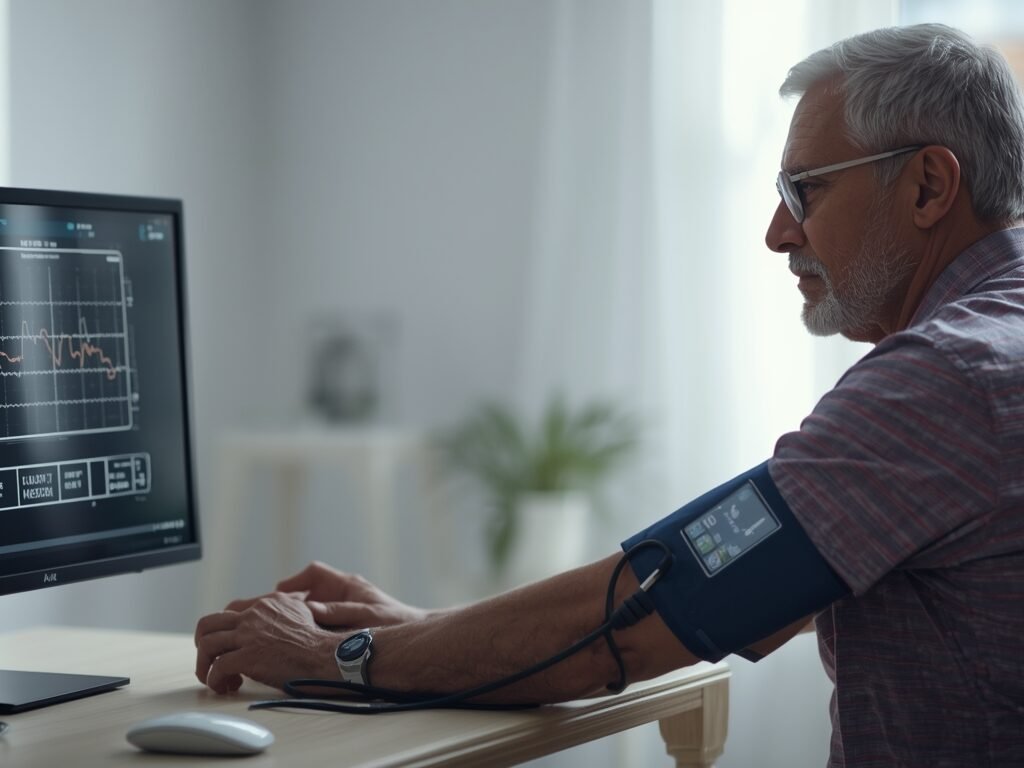
How to Measure Blood Pressure Correctly
Accurate readings matter. The European Society of Hypertension recommends multiple measurements across different days.
Tips for accuracy:
- Sit calmly, back supported, arm at heart level.
- Avoid caffeine, smoking, or exercise for 30 minutes before measuring.
- Use a validated home blood pressure monitor and record results twice daily.
- Share your log with your doctor or through a virtual tool like MD Chat for trend analysis.
Consistent home readings often reveal true averages better than single clinic checks.
Lifestyle Changes That Lower Blood Pressure
Healthy living is often the best prescription. The DASH diet (learn more at Health Illusion’s Healthy Food section) has proven effective in lowering systolic pressure by up to 11 mmHg.
Here are key habits supported by research:
| Strategy | What to Aim For | Impact |
|---|---|---|
| Weight loss | Lose 5–10% body weight | Drops 1 mmHg per kg lost |
| Eat more plants | Fruits, veggies, whole grains | Natural potassium and fiber |
| Cut sodium | 1,500–2,300 mg per day | Prevents fluid buildup |
| Exercise | 150 min moderate weekly | Strengthens heart |
| Manage stress | Meditation, rest, therapy | Reduces adrenaline surges |
Small, consistent steps make the biggest difference. For example, regular walks and lower sodium intake can drastically improve blood pressure in 3–6 months.
Medication and Medical Support
When lifestyle adjustments aren’t enough, medications step in. Doctors may prescribe ACE inhibitors, diuretics, calcium channel blockers, or ARBs—depending on your condition.
The American Family Physician Journal confirms combining two classes is more effective in severe hypertension cases.
Medication doesn’t replace healthy habits—it supports them. Many patients benefit from hybrid care models that combine in-person visits with virtual check-ins through platforms like DoctChat, where MD Chat can track progress and share reminders for medication or diet follow-up.
Recognizing Red Flags
If blood pressure spikes above 180/120 mmHg and you experience chest pain, confusion, or vision changes, seek emergency help immediately. This may signal a hypertensive crisis, explained by Heart.org.
Other urgent scenarios include:
- Severe headache
- Shortness of breath
- Sudden weakness or speech difficulty
Never delay professional evaluation in these cases.

How MD Chat Helps Monitor Your Health
On DoctChat, the MD Chat tool gives you instant answers about high blood pressure symptoms, home readings, and treatment questions. It also links to helpful resources like the Health Conditions section and Nutrition Coach to promote a well-rounded approach to wellness.
This interactive support doesn’t replace your doctor—it enhances the partnership between patient and professional.
Take Control Today
Here’s how to start managing your blood pressure effectively:
- Check your blood pressure regularly with a home monitor.
- Adopt healthy habits—a balanced diet, activity, and reduced sodium.
- Consult your physician for personalized guidance.
- Use tools like MD Chat for education and daily tracking.
- Stay consistent, even when results seem slow.
Managing high blood pressure is a journey, but with information, discipline, and technology, you can stay in control.
Final Thoughts
High blood pressure can be managed—and even prevented—through awareness and action. Early intervention, steady habits, and proper follow-up protect the heart, brain, and life expectancy. Platforms like DoctChat empower people to understand their health and collaborate better with their doctors.
This information is for educational purposes and does not replace professional medical advice. Always consult your physician.
Add a Comment